
Why Do Cats Hiss and Growl?
Understanding cat hissing and growling warning signs is essential for every cat owner. These vocalizations are your feline’s way of communicating fear, stress, or discomfort. A hiss often signals that your cat feels threatened, while a growl typically indicates deeper agitation or a warning to back off. Recognizing these sounds early can prevent bites and scratches, keeping both you and your pet safe.

What Triggers Hissing and Growling in Cats?
Cats hiss and growl for several reasons, including fear, pain, surprise, or territorial disputes. Common scenarios include encountering a new pet, being handled roughly, or feeling cornered. Additionally, maternal cats hiss to protect their kittens. Understanding the context helps you address the underlying issue.
Fear and Anxiety
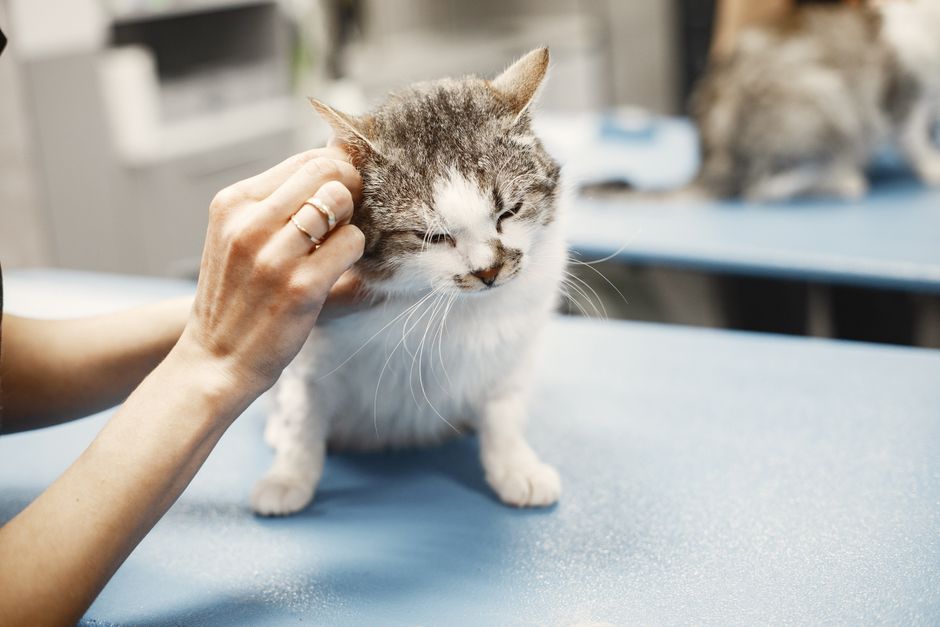
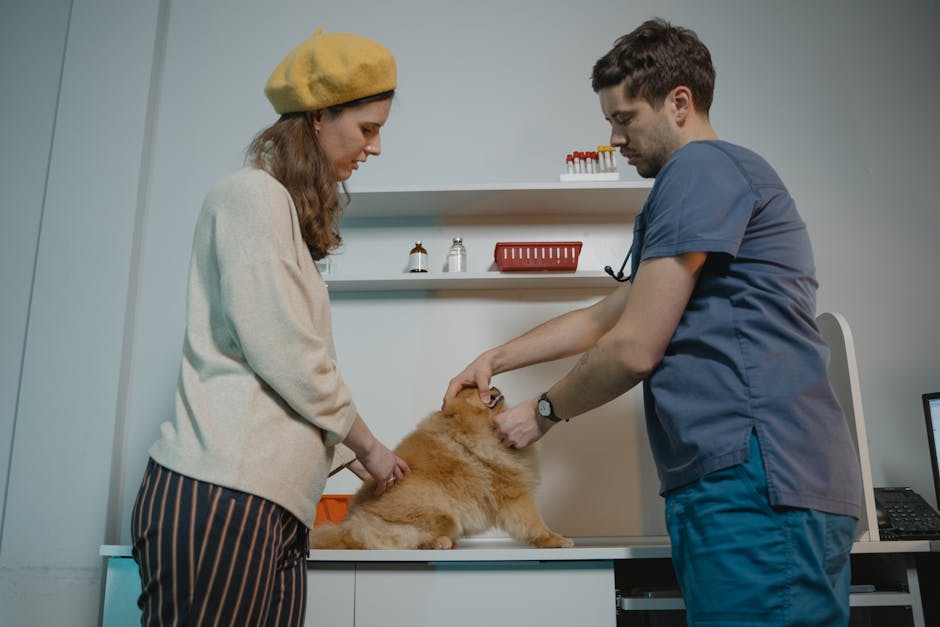
A sudden loud noise or an unfamiliar person can trigger a defensive hiss. Similarly, a vet visit might cause growling due to stress.
Pain or Illness
Cats in pain often hiss when touched. If your cat suddenly starts hissing without an obvious reason, a veterinary check-up is warranted.
Territorial Behavior
Both hissing and growling are common when a new animal enters the home or when your cat sees an outdoor cat through the window.
How Can You Tell a Hiss from a Growl?
Hissing is a sharp, sibilant sound often accompanied by a bared teeth and an arched back. Growling is a low, rumbling sound that may escalate to a snarl. Pay attention to body language: flattened ears, dilated pupils, and a puffed tail indicate heightened aggression. However, each cat may have unique variations, so familiarity with your pet’s baseline behavior is key.
When Should You Worry About Hissing and Growling?
Occasional hissing is normal, but frequent or sudden changes warrant concern. If your cat hisses consistently at family members, it might signal chronic stress or medical issues. Additionally, growling that persists after a trigger is removed suggests deeper problems. Consult a veterinarian or animal behaviorist if aggression becomes routine or if your cat shows signs of depression or appetite loss.
Red Flags to Watch For
- Hisssing during petting or grooming (possible pain)
- Growling when eating (food aggression or dental pain)
- Sudden hissing at familiar people
- Accompanying changes in litter box habits
How to Respond Safely When Your Cat Hisses or Growls?
Never punish a hissing or growling cat – it will increase their fear. Instead, give them space and remove the stressor if possible. Speak softly and avoid direct eye contact. Slowly back away and let the cat calm down. If you must handle the cat (e.g., for a vet visit), use a towel or thick gloves to protect yourself.
Do’s and Don’ts
- Do offer a safe hiding spot like a covered bed.
- Don’t shout or make sudden movements.
- Do use treats to build positive associations after the event.
- Don’t force interaction until the cat relaxes.
How to Prevent Hissing and Growling Outbursts?
Prevention involves creating a low-stress environment. Provide multiple litter boxes, scratching posts, and elevated perches. Introduce new pets slowly using scent swapping. Regular playtime and consistent routines also reduce anxiety. Furthermore, consider pheromone diffusers like Feliway to promote calmness.
Can Hissing and Growling Ever Be Playful?
In rare cases, kittens may hiss during rough play, but adult cats rarely hiss playfully. Growling is almost always serious. If you hear these sounds during play, separate the cats and provide appropriate toys to redirect energy.
Conclusion
Understanding cat hissing and growling warning signs empowers you to respond appropriately to your cat’s needs. By recognizing triggers, respecting their signals, and creating a safe environment, you can strengthen your bond and reduce conflict. Remember, these behaviors are not “bad” – they are your cat’s way of communicating. Listen and act accordingly.