
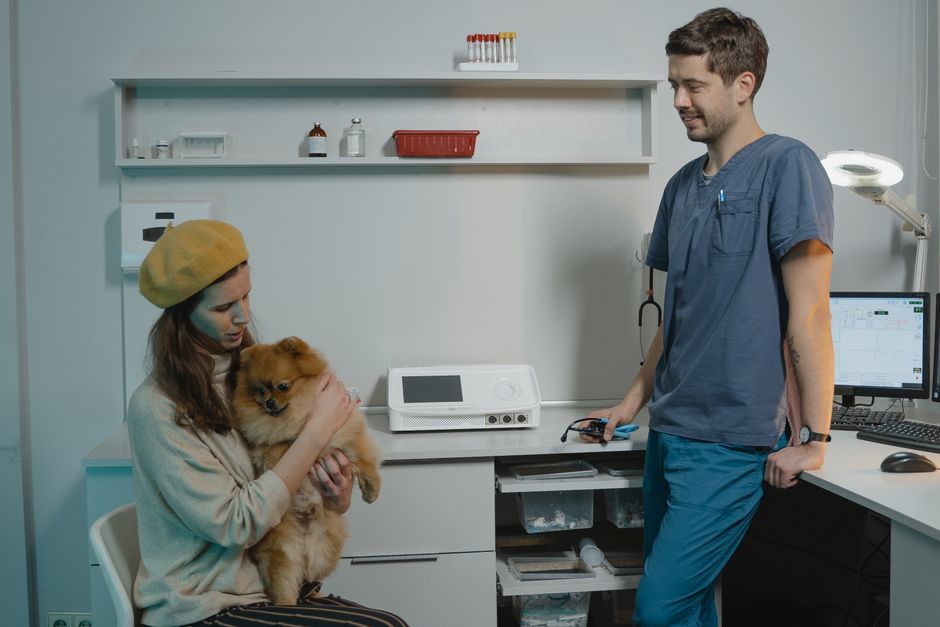
Emergencies can happen at any time, and being prepared with a well-stocked cat first aid kit can make all the difference for your feline friend. Whether it's a minor scrape or a sudden health issue, having the right supplies on hand helps you act quickly and calmly. Every cat owner should build a custom first aid kit tailored to their pet's needs. This guide covers the essential items you need to include for effective emergency care.

What Are the Basic Cutting Tools Needed?
First, you need reliable cutting and gripping tools. A pair of blunt-tip scissors is crucial for cutting bandages, tape, or matted fur near a wound. Tweezers with fine tips help remove splinters, stingers, or debris. Additionally, nail clippers are essential if a nail gets broken or overgrown, preventing further injury.
Recommended cutting tools:
- Blunt-tip scissors (medical or craft)
- Fine-tipped tweezers
- Nail clippers designed for cats
- Small hemostat or forceps (optional)
Keep these items in a separate pouch within your kit to avoid damage. Always sanitize tools after each use.
Which Wound Care Supplies Are Essential?
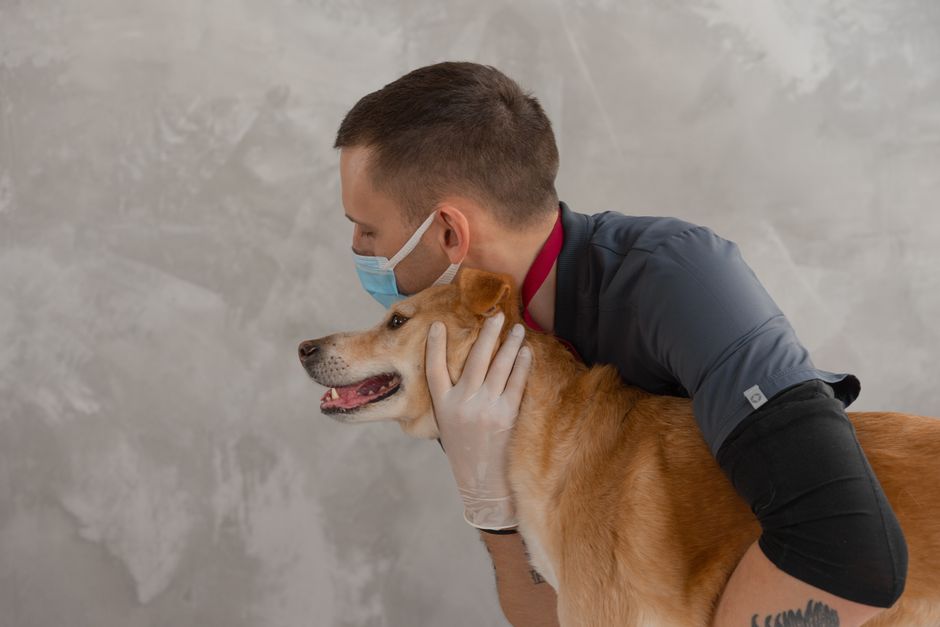
Wound care is a top priority in any cat first aid kit. Start with sterile gauze pads and rolls for cleaning and bandaging. Non-stick pads are gentle on wounds. You’ll also need adhesive tape (medical or vet wrap) to secure dressings without sticking to fur. Antiseptic wipes or chlorhexidine solution (diluted) help disinfect minor cuts. Never use hydrogen peroxide or alcohol as they can damage tissue.
Furthermore, include a small container of sterile saline solution to flush out debris from eyes or wounds. For larger injuries, a clean towel or cloth can be used as a pressure bandage. Organize these items in a waterproof bag to keep them sterile.
Why Should You Include a Digital Thermometer?
A cat’s normal temperature ranges from 100.5°F to 102.5°F. A digital rectal thermometer with a flexible tip is a must-have for monitoring fever or hypothermia. Lubricate the tip with petroleum jelly or KY jelly before use. Do not use mercury thermometers as they are dangerous if broken.
Additionally, learn how to take a cat’s temperature correctly. If the reading is above 103°F or below 99°F, contact your veterinarian immediately. Recording the temperature can also help your vet diagnose the issue faster. Mark the thermometer clearly as “cat only” to avoid cross-use.
What Medications Should Be in Your Cat First Aid Kit?
Only include medications that your veterinarian has specifically recommended for your cat. Common items might be:
- Diphenhydramine (Benadryl) – for mild allergic reactions (proper dosage per vet)
- Hydrocortisone cream (1%) – for insect bites or skin irritation (non-toxic if licked)
- Activated charcoal – for poison emergencies (only if directed by poison control or vet)
Never give human pain relievers like ibuprofen or acetaminophen – they are toxic to cats. Store all medications in a cool, dry place and check expiration dates every six months. A small pill cutter or syringe for liquid medicine can also be helpful.
How to Handle Eye and Ear Issues?
Eye and ear problems are common in cats. For eye discharge or debris, use sterile saline eyewash (no contact solution) and soft gauze. Avoid any product with preservatives. For ear cleaning, use a vet-recommended ear cleaner and cotton balls. Never insert cotton swabs into the ear canal.
Moreover, include an Elizabethan collar (soft or inflatable) in your kit to prevent your cat from scratching its ears or eyes. This simple item can prevent further damage. If you notice persistent redness, discharge, or head shaking, consult your vet. Adding a small flashlight helps you inspect the ears and eyes better.
Why Include a Muzzle or Towel?
Even the sweetest cat may bite or scratch when in pain. A soft muzzle designed for cats can prevent injury while you provide first aid. Alternatively, you can use a rolled towel or blanket to gently restrain your cat. Practice handling during calm times so your cat is less stressed during an emergency.
However, never cover a cat’s nose or mouth if it is having difficulty breathing. A towel can also serve as a stretcher for transporting an injured cat. Having these items ready ensures both you and your cat stay safe during treatment.
What About Tick and Flea Removal Tools?
Ticks and fleas are not just a nuisance; they can transmit diseases. Include a tick removal tool (spoon or hook) to safely grasp and remove ticks without leaving mouthparts embedded. A flea comb helps detect and remove fleas. Additionally, keep a small vial or baggie to store any removed ticks for possible testing.
Furthermore, you may want to add a pet-safe insect repellent or flea spray, but only if your vet approves. Check your cat’s coat regularly, especially after outdoor time. Removing parasites early reduces the risk of infection and allergic reactions.
Should You Have a Pet First Aid Manual?
Even with a well-stocked cat first aid kit, you need to know how to use the items correctly. A pet-specific first aid manual or a smartphone app can guide you through emergencies like choking, bleeding, or CPR. Print a quick-reference card with emergency numbers and basic instructions.
Update the manual whenever you add new items or if your cat develops a health condition. Also include poison control hotlines (e.g., ASPCA Animal Poison Control: 888-426-4435). Knowledge combined with supplies gives you the best chance of a positive outcome.
How to Store and Maintain Your Cat First Aid Kit?
Store your first aid kit in a sturdy, waterproof container that is easily accessible but out of reach of children and pets. A small duffel bag or plastic tackle box works well. Keep a label on the outside listing the contents and expiration dates. Check the kit every three months to replace used items and refresh supplies.
Additionally, keep a separate mini kit in your car for trips. Make sure all family members know where the kit is and how to use its contents. Rotate perishable items like medications and saline to ensure they are always effective. Consider adding a small notebook to log any incidents.
When Is It Time to Call the Vet?
Your cat first aid kit is designed for initial care, not to replace professional veterinary treatment. Always call your vet if there is heavy bleeding, difficulty breathing, seizures, poisoning, fractures, or if your cat is unresponsive. For minor cuts or insect stings, you can treat at home but monitor closely.
If you are unsure about the severity, it is always safer to consult a veterinarian. Keep your vet’s number and a nearby emergency clinic’s number in the kit. Remember that first aid is the bridge to professional help. Being prepared gives you confidence and can save your cat’s life.
Conclusion
Building a comprehensive cat first aid kit is a responsible step for every pet owner. By including the items listed above – from cutting tools and wound care to medications and emergency numbers – you equip yourself to handle common cat emergencies. Check your kit regularly, update supplies, and educate yourself on basic first aid procedures. Your cat depends on you to stay safe and healthy. Start assembling your kit today and be ready for the unexpected.