
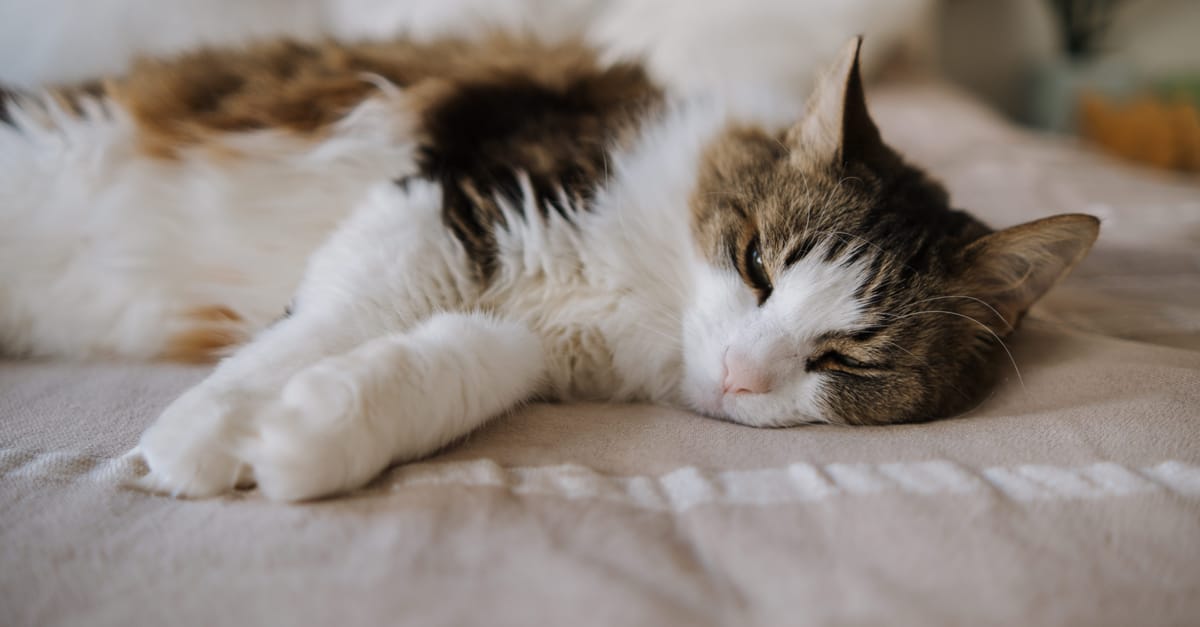
Feline Cognitive Dysfunction Syndrome (CDS) -- often called "cat dementia" -- affects an estimated 28% of cats aged 11-14 and over 50% of cats over 15. Like Alzheimer's in humans, it involves progressive brain deterioration causing confusion, behavioral changes, and declining quality of life.
Signs of Cognitive Dysfunction (DISHA-AL)
| Letter | Sign | Examples |
|---|---|---|
| D | Disorientation | Getting lost in familiar rooms, staring at walls, stuck in corners |
| I | Interaction changes | Clingy or withdrawn, not recognizing family |
| S | Sleep-wake changes | Active at night, sleeping all day (reversed cycle) |
| H | House soiling | Forgetting litter box location, eliminating in wrong places |
| A | Activity changes | Pacing, restlessness, or complete inactivity |
| A | Anxiety | New fears, excessive vocalization (especially at night) |
| L | Learning/memory loss | Forgetting routines, not responding to name |
The Nighttime Yowling Problem
One of the most distressing CDS symptoms is nighttime vocalization -- cats crying, yowling, or howling at night:
- Caused by disorientation and anxiety in the dark
- Cat may not know where they are or why they are alone
- Night lights help reduce disorientation
- Calming supplements or medication may help
Diagnosis
- CDS is a diagnosis of EXCLUSION -- rule out all medical causes first
- Must rule out: Hyperthyroidism, hypertension, kidney disease, pain, brain tumors, hearing/vision loss
- All of these conditions can mimic CDS symptoms
- Blood work, blood pressure, thyroid levels, urinalysis are essential first steps
Management
- Environmental: Night lights, consistent routine, do not rearrange furniture, litter boxes on every floor
- Nutritional: Antioxidant-rich diet, omega-3 fatty acids (DHA), Hill's b/d Brain Aging Care
- Supplements: SAMe (Denosyl), Senilife, Aktivait -- some evidence for cognitive support
- Medication: Selegiline (Anipryl) -- used in dogs, limited cat data but sometimes tried
- Enrichment: Gentle play, puzzle feeders (keep brain active), social interaction
Frequently Asked Questions
Is cat dementia the same as human Alzheimer's?
Similar but not identical. Both involve progressive brain degeneration, accumulation of beta-amyloid plaques, and behavioral/cognitive decline. However, CDS research in cats is far behind Alzheimer's research in humans. There is no definitive treatment or way to halt progression in either species. Management focuses on slowing decline and maintaining quality of life. CDS is ultimately a quality-of-life condition -- when confusion and distress outweigh comfort and contentment, humane end-of-life decisions may need to be considered.