
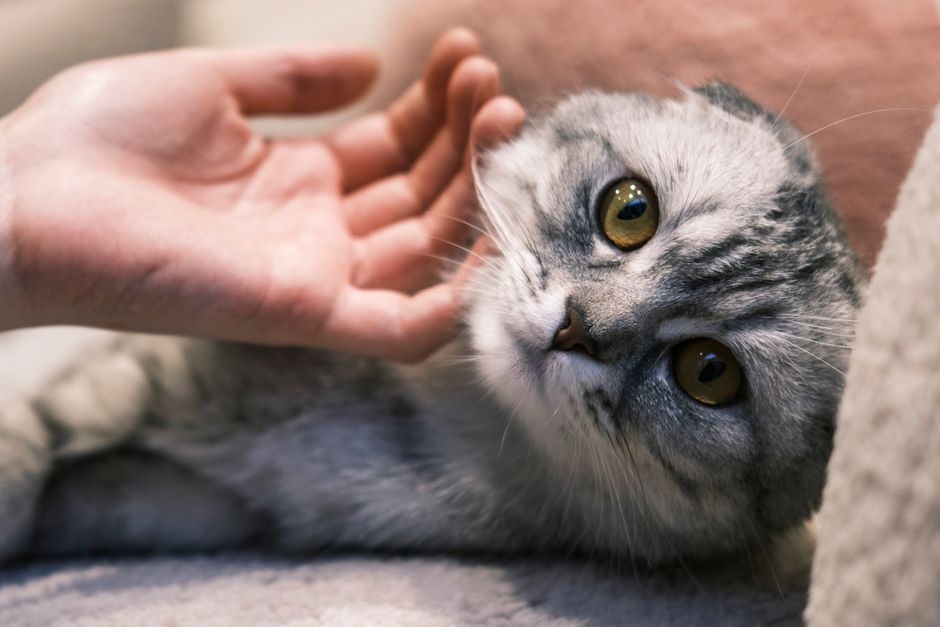
As our beloved feline companions enter their golden years, many develop a painful condition that often goes unnoticed. Recognizing cat arthritis pain signs early is crucial for improving their quality of life. Senior cats are masters of hiding discomfort, but subtle changes in behavior and mobility can reveal the truth. This comprehensive guide will help you identify the subtle cat arthritis pain signs and explore proven mobility solutions to keep your senior cat comfortable and happy. Whether you're a new cat parent or a seasoned caregiver, understanding these signs and solutions can make a world of difference for your aging cat.

What Are the Common Cat Arthritis Pain Signs in Seniors?
Arthritis, or osteoarthritis, is a degenerative joint disease that affects many senior cats. The most common cat arthritis pain signs include stiffness after rest, limping, difficulty jumping onto furniture, and a reduced desire to play or climb. You may also notice your cat hesitating before jumping or using a different path to reach favorite spots. Additionally, behavioral changes such as irritability when touched, decreased grooming, or hiding more often can indicate discomfort. Cats often become less active and may show changes in litter box habits if the box has high sides. Early detection of these signs is key to managing the condition effectively.
Subtle Signs You Might Miss
Some cat arthritis pain signs are subtle. For example, your cat may stop grooming hard-to-reach areas like the lower back, leading to a greasy or matted coat. Another sign is a change in sleeping posture; arthritic cats often sleep in one position for long periods or avoid curling up tightly. You might also notice your cat eating less or losing weight if it hurts to bend down to the bowl. Furthermore, cats with arthritis may vocalize more, especially when jumping or after resting. Pay close attention to these nuances.
Behavioral Changes as Indicators
Behavioral shifts are often the first cat arthritis pain signs owners notice. A cat that once loved being petted may become sensitive to touch, especially around joints. However, some cats seek more affection as a comfort mechanism. Additionally, a decrease in interaction with family members or other pets can signal pain. It's important to rule out other causes like vision loss or dental issues, but arthritis should be high on your list for senior cats. Keep a journal of any changes to share with your vet.
How Can You Diagnose Cat Arthritis at Home?
While a veterinarian's diagnosis is essential, you can perform simple observations at home to look for cat arthritis pain signs. Monitor your cat's mobility by noting how they navigate stairs, jump onto the couch, or get in and out of the litter box. Use a checklist to track changes over days or weeks. Common home diagnostic signs include: decreased jumping height, stiffness after lying down, and reluctance to play. You can also gently feel joints for swelling or warmth, but be cautious as a painful cat may react aggressively.
- Notice if your cat avoids jumping onto furniture or uses a different route.
- Check for reluctance to climb stairs or difficulty going up or down.
- Observe if your cat spends more time sleeping or resting in one spot.
- Watch for limping or a stiff gait, especially after waking up.
- Monitor litter box usage – if the sides are high, your cat may miss or avoid it.
Using a Mobility Scale
To quantify cat arthritis pain signs, you can use a simple mobility scale. Rate your cat's activity on a scale of 1 to 10, with 1 being completely immobile and 10 being normal for a healthy cat. Track this weekly. For example, if your cat used to jump on the bed but now hesitates or uses a stool, note that. Additionally, record how long it takes for your cat to stand up from a lying down position. Any decline in these numbers over time may indicate worsening arthritis.
What Are the Best Mobility Solutions for Arthritic Senior Cats?
Once you've identified cat arthritis pain signs, implementing mobility solutions can significantly improve your cat's comfort. The goal is to reduce pain and make daily activities easier. Solutions range from environmental modifications to professional treatments. Here are some highly effective strategies:
- Provide ramps or steps for furniture access – place them near beds, sofas, and windowsills.
- Use raised food and water bowls to reduce neck and joint strain.
- Choose a low-sided litter box or one with a cutout entrance for easy access.
- Install soft bedding in multiple warm, draft-free areas.
- Consider joint supplements like glucosamine, chondroitin, or omega-3 fatty acids after consulting your vet.
- Explore physical therapy, acupuncture, or laser therapy as complementary treatments.
Environmental Modifications
Adapting your home is one of the simplest cat arthritis pain signs solutions. For example, if your cat struggles with stairs, install a pet ramp or carpet the steps for better grip. Elevated platforms or cat trees with ramps instead of climbing options can help. Furthermore, keep essentials like food, water, and litter boxes on one level to minimize stair navigation. You should also eliminate slippery surfaces by adding rugs or carpet runners. However, ensure the rugs are non-slip to prevent falls.
Supportive Products and Aids
Several products are designed to alleviate cat arthritis pain signs and improve mobility. Orthopedic cat beds with memory foam provide joint support. Heated beds can soothe stiff joints, but always use pet-safe heating pads. Harnesses and slings can help support your cat when walking, especially for cats with hind limb weakness. Additionally, joint supplements in tasty chew forms or liquids can be given daily. Always consult your veterinarian before starting any supplement or medication.
What Medical Treatments Are Available for Cat Arthritis Pain?
When cat arthritis pain signs become moderate to severe, veterinary intervention is often necessary. Your vet may recommend anti-inflammatory medications (NSAIDs) specifically formulated for cats, such as meloxicam or robenacoxib. These can reduce pain and inflammation. However, never give human NSAIDs to cats as they are toxic. Other options include pain relievers like gabapentin or amantadine, which are used off-label but can be effective. Additionally, injectable therapies like Adequan (polysulfated glycosaminoglycan) can help protect joint cartilage and reduce pain. Acupuncture and cold laser therapy are also growing in popularity for pain management.
Weight Management as Part of Treatment
Excess weight exacerbates cat arthritis pain signs. Even a small amount of weight loss can significantly reduce joint stress. Work with your veterinarian to create a weight loss plan that includes a balanced diet and controlled portions. Additionally, ensure your cat gets gentle exercise like short play sessions or encouraged movement using interactive toys. However, avoid high-impact activities that could worsen arthritis.
Alternative and Complementary Therapies
For cats that don't tolerate medications well, alternatives like fish oil supplements rich in omega-3 fatty acids can help reduce inflammation. Additionally, herbs such as turmeric or boswellia may have anti-inflammatory properties, but always consult your vet first. Physical therapy, including passive range-of-motion exercises, can maintain joint flexibility. Your vet or a veterinary rehabilitation specialist can teach you these techniques.
When Should You Consult a Veterinarian for Cat Arthritis?
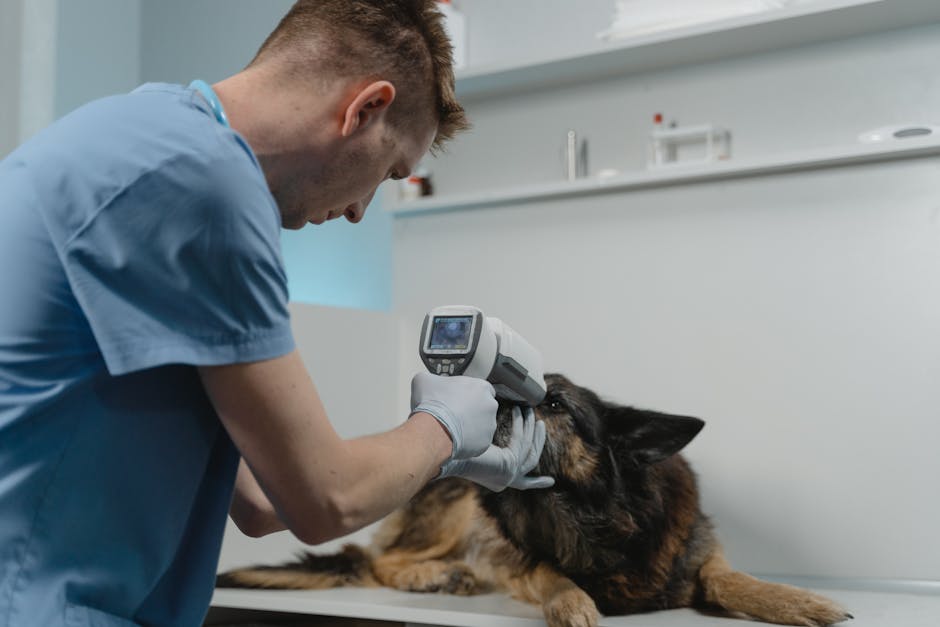
You should consult a veterinarian as soon as you notice cat arthritis pain signs that affect your cat's daily life. Early intervention can slow the progression of arthritis and improve your cat's wellbeing. Additionally, if your cat stops eating, shows signs of extreme pain (crying, aggression), or becomes unable to stand or walk, seek immediate veterinary attention. A comprehensive examination including X-rays and blood work can confirm arthritis and rule out other conditions like kidney disease which can mimic pain signs. Regular check-ups every 6 months for senior cats are recommended to monitor changes.
What to Expect at the Vet Visit
During a consultation for cat arthritis pain signs, your vet will perform a physical exam, palpating joints and assessing your cat's gait. They may also recommend joint fluid analysis or imaging. Based on the severity, they will discuss treatment options including medication, supplements, and lifestyle adjustments. Furthermore, they can guide you on pain management schedules and when to re-evaluate. It's helpful to bring a list of observed signs and any videos of your cat's mobility issues.
Conclusion
Recognizing cat arthritis pain signs early and implementing appropriate mobility solutions can dramatically enhance your senior cat's comfort and happiness. From subtle behavioral changes to clear mobility issues, every sign matters. By making simple home modifications, using supportive products, and working closely with your veterinarian, you can help your feline friend enjoy their golden years with dignity and reduced pain. Remember, your attentiveness and proactive care are the most powerful tools in managing arthritis. Start observing today and take the first step toward a more comfortable life for your senior cat.