
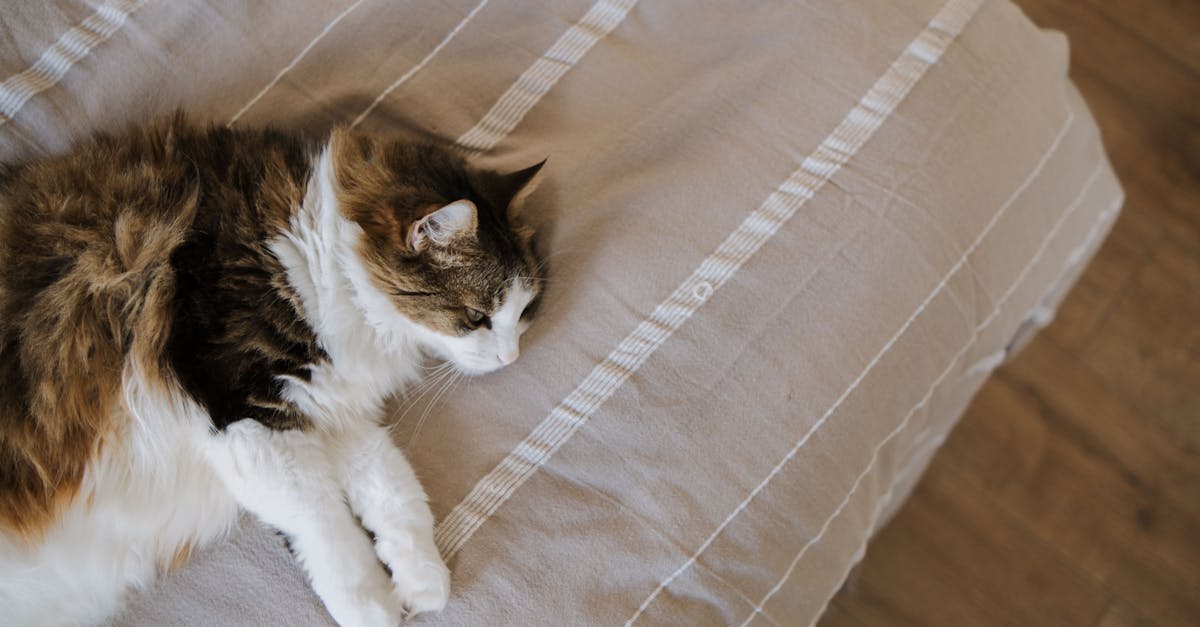
Arthritis affects an estimated 90% of cats over age 12 -- yet only 13% are diagnosed. This staggering gap exists because cats are evolution's best pain hiders. They do not limp, do not cry, and adapt their behavior so gradually that owners attribute changes to "just getting old." But arthritis is not aging -- it is treatable disease.
Signs Your Cat May Have Arthritis
- No longer jumps to high surfaces (or hesitates before jumping)
- Uses furniture as "steps" to get to previously easy destinations
- Stiffness after rest (takes longer to "warm up" after sleeping)
- Reduced grooming (matted fur on back, hind legs)
- Less playful (declines interaction with toys)
- Litter box changes (difficulty posturing, accidents outside box)
- Sleep pattern changes (sleeps more, in different locations)
- Irritability when touched (especially along spine, hips, legs)
Diagnosis
- Physical exam: Vet palpates joints for pain, swelling, reduced range of motion
- X-rays: Show bone changes, joint space narrowing, bone spurs
- History: Owner observations of behavioral changes are the most important diagnostic tool
- Response to treatment: Improvement on pain medication confirms diagnosis
Treatment Options
| Treatment | How | Effectiveness |
|---|---|---|
| Solensia (frunevetmab) | Monthly injection at vet | High -- first FDA-approved cat arthritis treatment. Targets NGF (nerve growth factor) |
| Gabapentin | Oral capsule, daily or as needed | Good for chronic pain, also reduces anxiety |
| Meloxicam | Oral liquid, daily or every other day | Good anti-inflammatory -- monitor kidney function |
| Omega-3 fatty acids | Fish oil supplement daily | Moderate anti-inflammatory effect (300-500mg EPA+DHA/day) |
| Joint supplements | Glucosamine/chondroitin (Cosequin, Dasuquin) | Moderate -- limited cat-specific evidence |
| Adequan injections | Prescription injectable, every 4 weeks | Good -- polysulfated glycosaminoglycan |
| Acupuncture | Sessions every 2-4 weeks | Growing evidence for pain management |
| Laser therapy | Cold laser at vet clinic | Moderate -- reduces inflammation |
Solensia: A Game-Changer
- FDA approved in 2022 -- first monoclonal antibody for cat pain
- Monthly injection at the vet (not at home)
- Targets Nerve Growth Factor -- reduces pain signaling
- Most cats show improvement within 1-2 months
- Minimal side effects (mild injection site reactions)
- Cost: $50-100 per monthly injection
Environmental Modifications
- Low-entry litter boxes: Cut down one side of a standard box
- Ramps and pet stairs: To beds, couches, window perches
- Heated beds: Warmth eases joint stiffness
- Non-slip mats: On smooth floors near food and litter
- Raised food bowls: Reduce neck strain while eating
Frequently Asked Questions
Is Solensia safe for long-term use?
Current data shows Solensia is well-tolerated for extended periods -- clinical trials ran 3+ months with good safety profiles. As a monoclonal antibody, it is biologically targeted with fewer systemic side effects than traditional pain medications. However, as a newer drug (approved 2022), very long-term data (5+ years) is still accumulating. Regular vet checkups with bloodwork ensure ongoing safety. For most arthritic cats, the quality-of-life improvement outweighs the theoretical risk of a newer medication.